 11
11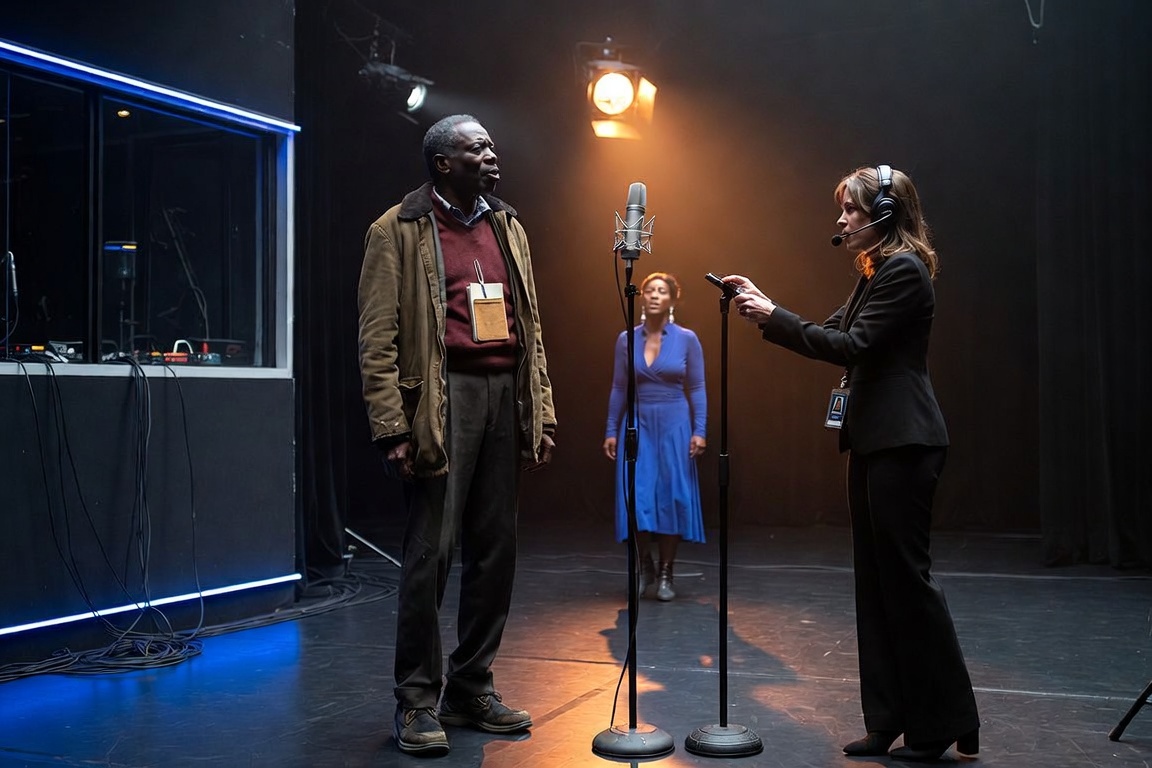
The producer removed my backstage badge and pressed the vocal notebook back against my chest. Nina looked toward the stage, where cables, lights, and cameras waited for rehearsal, then pointed behind the curtain. She said visitors could not stand near the main microphone.
My coat was worn, the badge was temporary, and I had arrived without an assistant. In a room built around a famous voice, I looked like an older man who had wandered into the wrong entrance.
I had taught voices for more than forty years. My studio occupied two rooms above a laundromat, and the walls were covered with cheap acoustic foam. Students climbed a narrow staircase carrying fear they rarely named. Some were afraid of high notes. Others were afraid of being heard at all. I told them technique mattered, but the first responsibility of a voice was honesty.
Jasmine Brooks arrived when she was thirteen. She sang loudly enough to hide how uncertain she felt. Her range was remarkable, but she forced every note as if volume could protect her from criticism. Her family could afford only occasional lessons, so I gave her extra practice time while I completed paperwork. She helped sweep the studio afterward and never treated the arrangement as charity.
The old tuning fork became part of our routine. Whenever Jasmine rushed a phrase, I struck it gently and asked her to listen until the sound almost disappeared. Control did not mean overpowering a note. It meant understanding where the note lived and allowing breath to support it.
Years later, audiences would praise the quiet beginning of her most famous song. That control began with a scratched tuning fork in a room above washing machines.
Jasmine eventually earned a scholarship and moved to a larger city. We remained connected through phone calls, postcards, and recordings she mailed before releasing new music. When fame arrived, our conversations became less frequent but no less sincere. She credited many producers and collaborators publicly. I never expected my name in interviews. Teaching is often visible only through what a student can do after leaving the room.
The rehearsal invitation came from Jasmine herself. She wrote that a new song used the breathing exercise we had practiced years earlier and wanted me to hear it before the tour. A production assistant left a temporary badge at the entrance, but the schedule changed and nobody told Nina I was expected. I arrived carrying the old notebook because it contained Jasmine’s first handwritten exercises.
Nina was managing a delayed rehearsal and saw me standing beside the stage. She asked for credentials, glanced at the temporary badge, and decided I should wait outside. I tried to explain that Jasmine had invited me. The producer interrupted, removed the badge, and pushed the notebook toward my chest. Her urgency was real. The disrespect was still a choice.
I stepped behind the curtain because I did not want to disrupt Jasmine’s work. The tuning fork slipped from the notebook pocket and caught the warm stage light. Jasmine turned from the microphone at that exact moment. She saw the metal shape, then my face beyond the curtain. The first note of the rehearsal stopped.
She crossed the stage quickly. Nina raised one hand as if to explain, but Jasmine moved past her and wrapped both arms around me. The room became quiet except for the hum of the lights. She took the notebook carefully, opened it to the old breathing marks, and smiled through tears. Every page held a version of her voice before the world knew it.
Jasmine lifted the main microphone from its stand and placed it into my hands. I tried to return it. She guided me into the center spotlight and stood beside me with one hand over her heart. No announcement was necessary. The famous singer had stopped an expensive rehearsal to honor the teacher the production team had treated as an inconvenience.
I did not sing. My voice had never been the point. I struck the tuning fork once and held it near the microphone. The small clear tone moved through the studio. Jasmine closed her eyes, took the breath we had practiced decades earlier, and began the song again. This time, the entire room understood the sound behind the performance.
Nina apologized immediately. She said security and timing pressures had made her cautious. I told her caution can be respectful. She could have verified the invitation without taking the badge or treating age and clothing as evidence that I did not belong. Production efficiency should protect the work, not erase the people who helped create it.
Jasmine later added my name to the tour’s mentor acknowledgments, but the public credit mattered less than the rehearsal. She invited young vocal teachers to attend sound checks and created a small fund for students unable to afford lessons. She said talent appears everywhere, while access does not. That truth had shaped our work from the beginning.
The microphone was returned to its stand. The notebook returned to my coat. The tuning fork still carries scratches from thousands of lessons. When I watch Jasmine perform now, I hear technique, discipline, and the choices she made entirely on her own.
A teacher does not own a student’s success. The honor comes from recognizing one note, one breath, or one act of courage that continued growing after the student left the room.
The rehearsal recording captured the single tone of the tuning fork before Jasmine began singing. She kept it at the start of the final studio version. Most listeners assumed it was an artistic effect. For us, it represented years of practice in a room where confidence had been built slowly. One small sound connected the polished production to the first lesson.
Nina later changed visitor procedures so personal guests and mentors could be verified without being publicly removed. She also required production staff to pause before making assumptions about older visitors, contractors, or people dressed outside entertainment-industry expectations. Efficiency improved because the system became clearer. Respect and organization had never been enemies.
I returned to teaching three mornings a week. New students sometimes arrived because they had seen the rehearsal story online, but I never began with Jasmine’s fame. I began with breathing, posture, and listening. A famous former student can open a door, but each new voice still needs patience without comparison. Mentorship becomes harmful when one success is used to make every other student feel smaller.
Jasmine visits whenever the tour brings her nearby. She still climbs the narrow stairs above the laundromat, removes her shoes at the studio door, and strikes the old tuning fork before singing. The world knows her as a star. In that room, she remains a musician returning to the place where someone first taught her that quiet control could carry farther than force.
The story also reminded Jasmine to acknowledge the wider team behind her music. At the next rehearsal, she introduced the vocal arranger, stage technicians, musicians, assistants, and security staff before beginning. Fame had placed her at the center, but she understood that a powerful performance depends on people whose names are rarely printed on the ticket.
Arthur kept the temporary badge inside the vocal notebook. It reminded him that people can be essential to a story and still appear unimportant to those managing the room. The badge became another lesson about listening before deciding who belongs.


