 11
11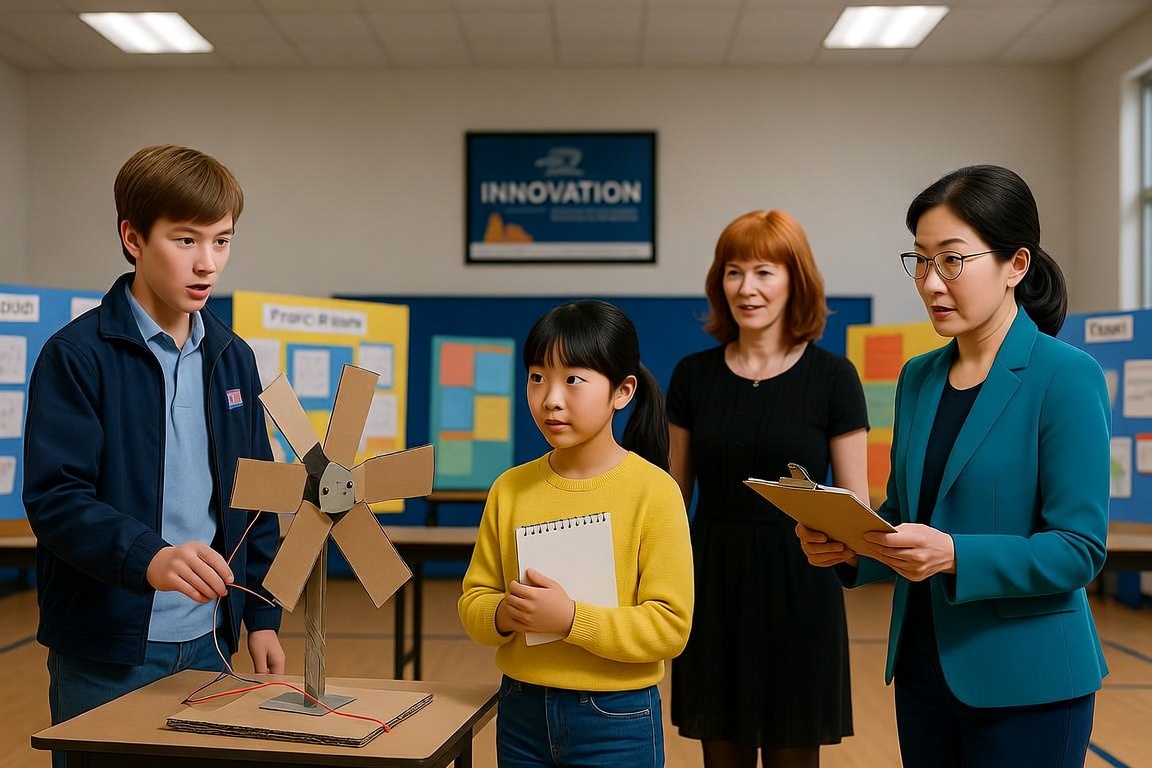
Ava had built her project from scraps because scraps were what she had, and Mason made sure everyone saw the tape before they saw the idea. It was the kind of moment that makes poverty feel louder than it really is, because suddenly every old shoe, every reused bag, and every careful breath becomes something people think they are allowed to inspect.
I tried to stay calm, but the child beside me was watching every adult face in the room, learning who was safe and who was not. That hurt more than the insult itself.
The truth was, we had come with almost nothing except hope. We did not have expensive clothes, perfect papers, or the confidence people seem to respect before they respect a person.
Then the small clue appeared: the old notebook Ava rescued from the edge of the table had sketches that matched the innovation poster on the gym wall. At first, nobody understood it. The people who had been loudest looked annoyed, like the truth had interrupted their performance. But the person who needed to see it recognized it immediately.
Dr. Park recognized the notebook as work inspired by her first public clean-air design, but improved through Ava’s own careful notes. The room shifted in that uncomfortable way it does when everyone realizes they have been cruel to the wrong person, or worse, cruel to someone who never deserved it at all.
The child did not smile right away. Children who have been embarrassed in public do not bounce back because adults finally feel ashamed. They look for safety first. So the real victory was not about proving someone wrong. It was about giving that child one clear image to remember:
Dignity can survive a dirty coat, a borrowed backpack, a folded coupon, or a cracked lunchbox.
When the recycled fan finally spun and the ribbons fluttered, the gym stopped looking at the cardboard and started looking at the mind behind it. Nobody needed to shout. The proof sat there quietly, and somehow that made it even stronger. By the end, the same people who had pointed, laughed, or blocked the way could barely meet our eyes.
I keep thinking about what the child learned that day. Not that the world is always fair, because it is not. But that sometimes the truth arrives late, walks through the same door as shame, and gives back the place someone tried to take.
That was the part worth remembering.


