11
11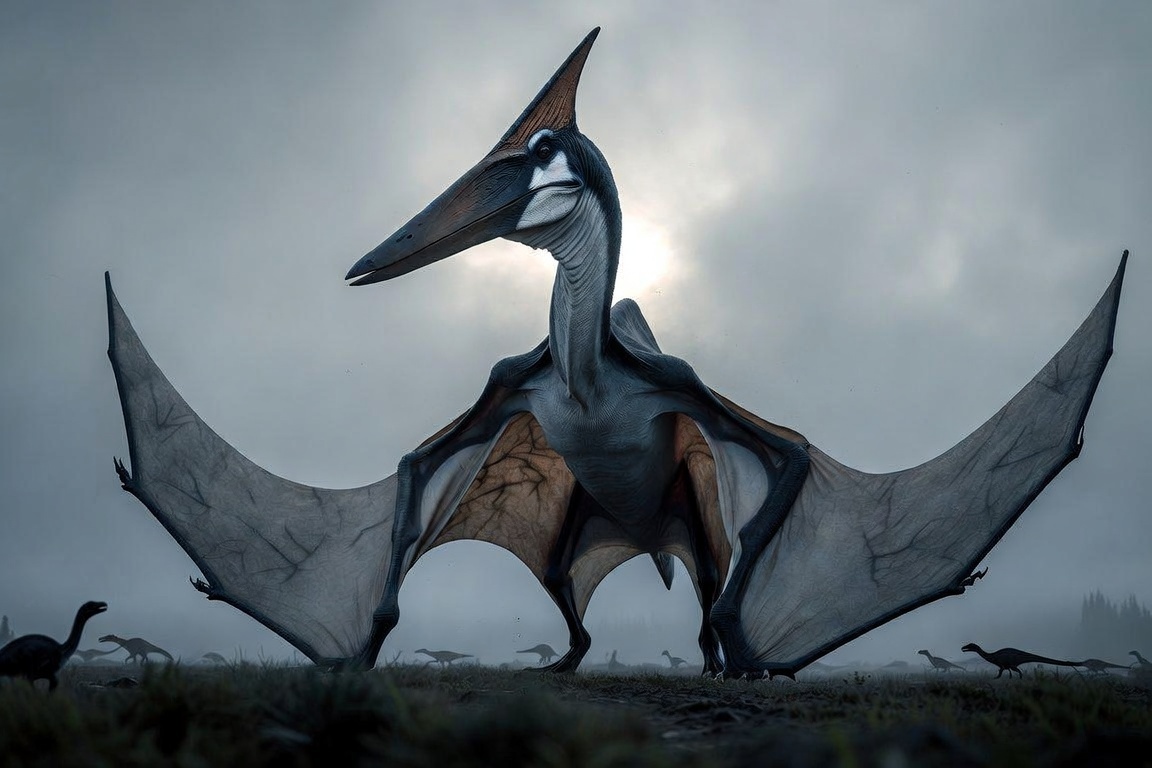
Quetzalcoatlus gets most of the fame, but it was not the only giant pterosaur that makes the fossil record feel unreal. Hatzegopteryx lived in what is now Romania during the Late Cretaceous, in the ancient island ecosystem known as Hațeg Island.
This setting matters. Hațeg Island was famous for dwarf dinosaurs, animals that evolved smaller body sizes in an island environment. Into that world came evidence for a massive azhdarchid pterosaur with a skull and neck built more robustly than many people expect from flying reptiles.
Hatzegopteryx was not a dragon. It was a real pterosaur. But its proportions make it feel like a land-stalking nightmare.
Many pterosaurs had lightweight skeletons, which helped with flight. Hatzegopteryx also needed lightness, but its known remains suggest unusual robustness, especially in the skull and neck. This has led scientists to discuss whether it may have been capable of tackling relatively large prey compared with other pterosaurs.
That does not mean every dramatic hunting scene is confirmed. Fossils do not record every meal. But the island context creates a powerful interpretation. A giant pterosaur standing among smaller dinosaurs does not need much exaggeration to feel dangerous.
Some researchers have argued that Hatzegopteryx may have occupied a top predator role in its ecosystem. On an island where giant theropod dinosaurs were not dominating the landscape in the familiar way, a huge azhdarchid pterosaur could become one of the most intimidating animals around.
Island ecosystems often produce strange evolutionary outcomes. Large animals can shrink. Small animals can grow. Predators and prey can shift into unexpected roles. Hațeg Island is a classic fossil example of this weirdness.
Dwarf sauropods, unusual ornithopods, and other island animals lived in this Cretaceous landscape. Hatzegopteryx adds a cinematic imbalance: a huge flying reptile towering over smaller dinosaurs.
This does not prove it hunted all of them constantly, but it makes the ecological question fascinating. What happens when the biggest shadow on an island is not a dinosaur, but a pterosaur?
That is exactly why the story works. It is not fake certainty. It is a fossil-backed possibility with massive visual power.
Hatzegopteryx feels unique because it combines flight, height, strength, and island weirdness. Most people imagine pterosaurs soaring overhead. This one may have been just as frightening on the ground.
Picture fog. Small dinosaurs moving through low plants. A giant beak emerging above them. Folded wings touching the earth like front limbs. A skull strong enough to make scientists rethink what giant pterosaurs could do.
Hatzegopteryx was not fantasy. It was a real animal from one of the strangest ecosystems of the Cretaceous.
References: