11
11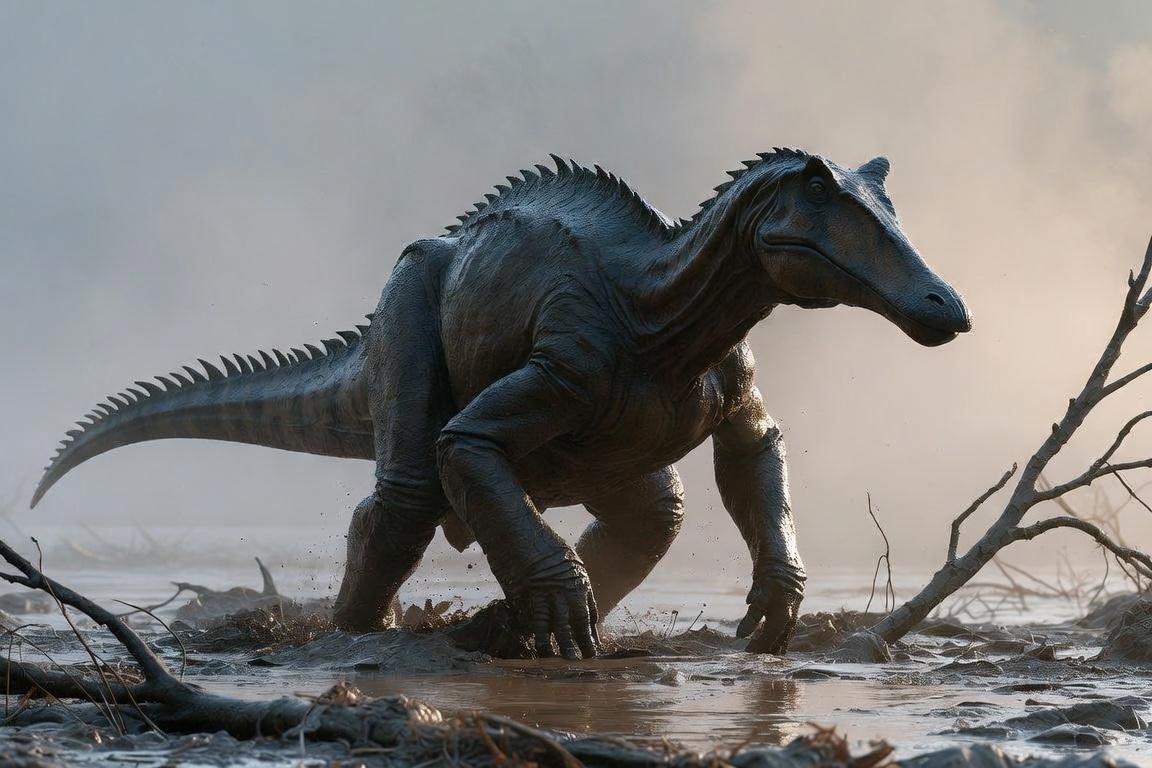
Deinocheirus began as one of paleontology’s great partial mysteries. For decades, it was known mainly from enormous arms found in Mongolia.
The arms were so large that they invited wild speculation. What kind of dinosaur carried them?
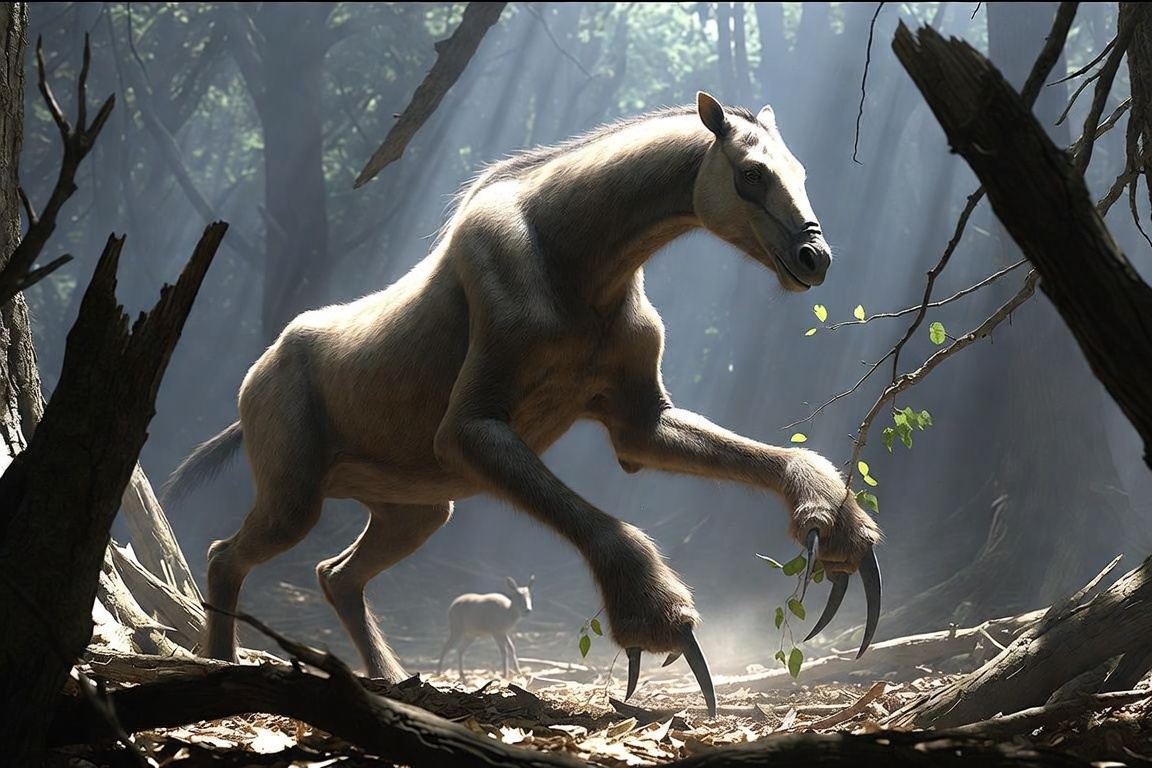
The name Deinocheirus means “terrible hand,” and at first, that was almost all scientists had: terrible hands without a body.
Later discoveries changed the entire image. Instead of a straightforward giant killer, Deinocheirus turned out to be one of the strangest large theropods known.
It had huge arms, a bulky body, a hump-backed outline, a broad duck-like snout, and likely an omnivorous or mixed feeding lifestyle.
It belonged to ornithomimosaurs—the ostrich-mimic dinosaurs—but it pushed that group into a bizarre giant form. The final animal was not less interesting than the mystery. It was weirder.
Deinocheirus lived in the Late Cretaceous of what is now Mongolia. Its anatomy suggests it may have spent time around wet environments, feeding on plants, fish, and other available resources.
Stomach contents and associated features have supported interpretations of a broad diet, though details are still studied.
It was not built like a high-speed predator. Its body was massive, and its proportions were unusual. This makes it feel less like a classic dinosaur monster and more like an evolutionary glitch that somehow worked.
The story of Deinocheirus is a prime example of why paleontology requires both patience and open-mindedness:
But the broad story is solid: the animal behind the arms was not what many people expected.
Deinocheirus is a perfect story about expectation failure. Everyone expected the giant arms to belong to a straightforward nightmare predator.
Instead, they belonged to a dinosaur that looked like a giant wetland oddball.
That is better content because it is both cinematic and honest. The monster was real, but the twist was biology, not fiction.
References: