11
11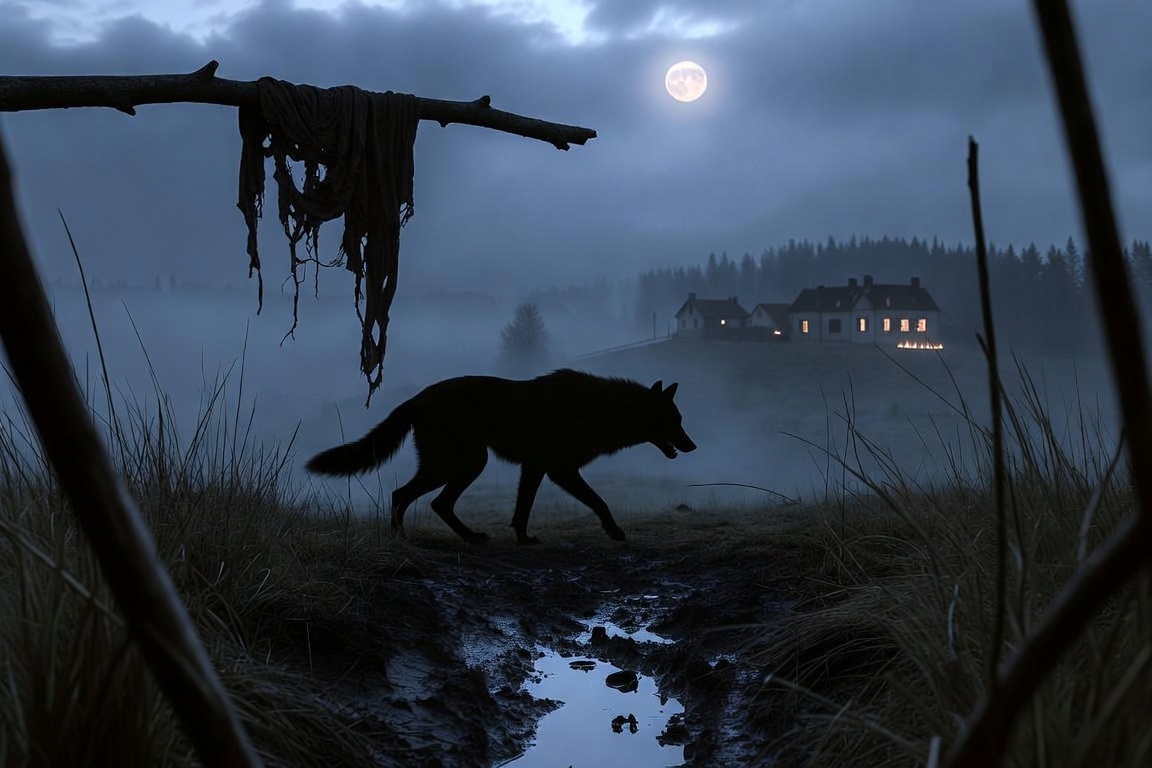
The Beast of Gévaudan is one of Europe’s most famous monster legends, but it should not be treated like a proven supernatural creature. The story is stranger than that because it sits between history, folklore, panic, animal attacks, politics, and unanswered questions.
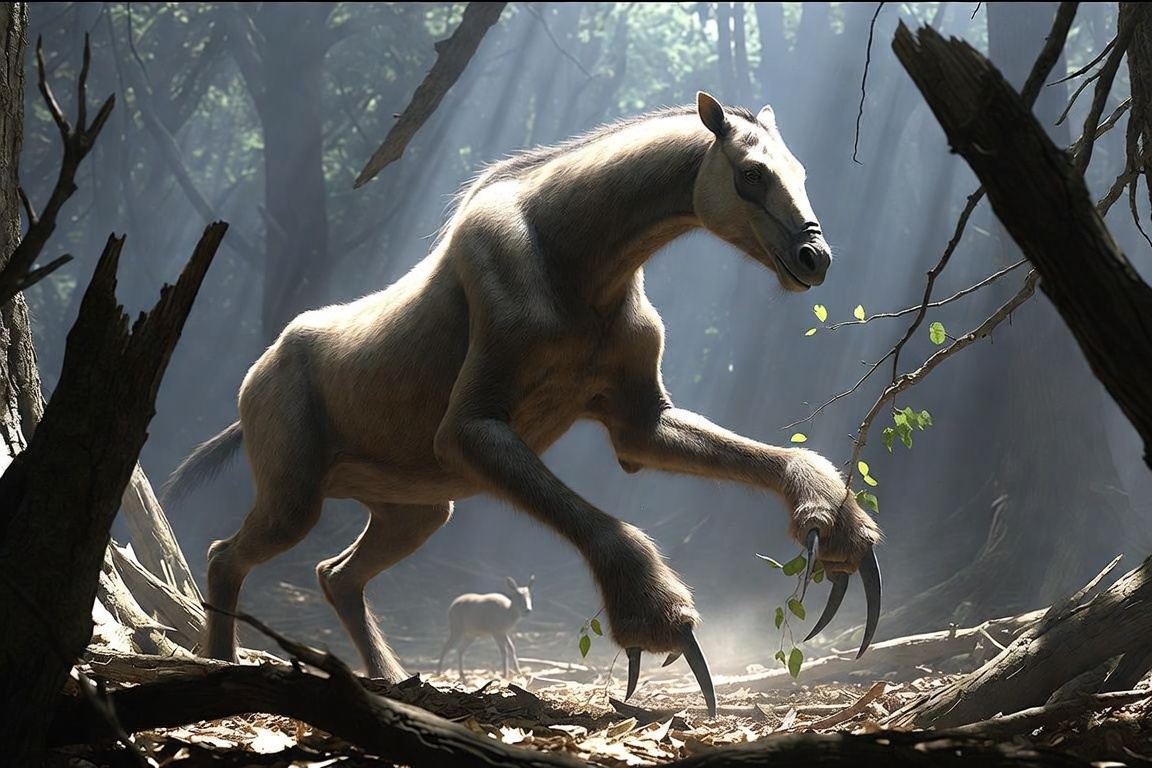
Between 1764 and 1767, rural communities in the old province of Gévaudan in southern France were terrorized by a series of deadly attacks. Contemporary reports described a terrifying beast that killed people, especially women and children, across the countryside. The descriptions varied. Some called it wolf-like. Others made it sound larger, stranger, or more ferocious than a normal wolf.
The numbers differ by source, but the attacks were widely reported and caused national attention. King Louis XV eventually became involved, and organized hunts were launched. The story grew beyond local tragedy into a full public spectacle.
That is where history becomes legend.
The most grounded explanation is that wolves, or unusually aggressive wolf-like animals, were responsible for many of the attacks. Wolves were present in eighteenth-century France, and wolf attacks on humans, while rare today, were more plausible in historical rural settings where people lived close to wilderness and livestock.
But the Gévaudan case became famous because reports did not settle cleanly into one simple explanation. Some witnesses described a creature with unusual coloring, size, behavior, or resistance to bullets. These details may reflect fear, exaggeration, repeated retelling, poor visibility, multiple animals, or the pressure of a community trying to explain repeated horror.
Other theories have suggested a large dog, a wolf-dog hybrid, an escaped exotic animal such as a hyena, or even deliberate manipulation by humans. None of these more dramatic ideas is universally proven.
The honest answer is that the Beast of Gévaudan was likely rooted in real animal attacks, but the exact identity behind every report remains uncertain.
The setting matters. Gévaudan was rural, mountainous, and filled with forests, fields, and isolated paths. People moved through landscapes where visibility was limited and help could be far away. In that world, repeated attacks could transform normal fear into collective terror.
Reports spread through pamphlets, newspapers, letters, and official channels. The beast became a media event before modern mass media existed. Illustrations made the creature look monstrous. Stories amplified its strangeness. Each new attack gave the legend more power.
This is important because the Beast of Gévaudan is not just an animal mystery. It is also a story about how fear travels.
A wolf attack is terrifying. A wolf attack repeated in rumor, illustration, royal correspondence, village gossip, and public imagination becomes something larger. It becomes a monster.
Multiple hunts were organized. Famous hunters became involved. At one point, a large wolf was killed and presented as the beast, but attacks reportedly continued afterward. Later, Jean Chastel, a local hunter, was said to have killed another animal in 1767, after which the attacks ended.
That ending helped lock the story into folklore. A named killer, a final hunt, a dead beast, and a region traumatized by years of fear. It has all the ingredients of legend.
But from an evidence-based perspective, the ending still leaves questions. Was there one animal or several? Were some attacks misattributed? Did fear distort descriptions? Was the final animal truly responsible for the whole pattern?
The historical record cannot answer everything cleanly.
The best EdgeCase framing is not “the monster was real.” It is sharper: real attacks created a monster legend that still refuses to settle into one comfortable explanation.
The Beast of Gévaudan endures because it lives in the uncomfortable space between fact and fear. People died. Villages panicked. Hunters searched the countryside. Reports described something terrifying. Yet the final identity remains debated.
That is the perfect formula for an evidence-based mystery.
No ghosts. No fake proof. No supernatural certainty. Just a rural landscape, a string of attacks, unreliable descriptions, and a shadow moving through eighteenth-century France.
The beast may have been a wolf. It may have been multiple animals. It may have been a wolf-dog, a misidentified predator, or a legend inflated by panic.
Whatever the answer, the story shows how quickly nature, fear, and media can combine into something that feels larger than life.