11
11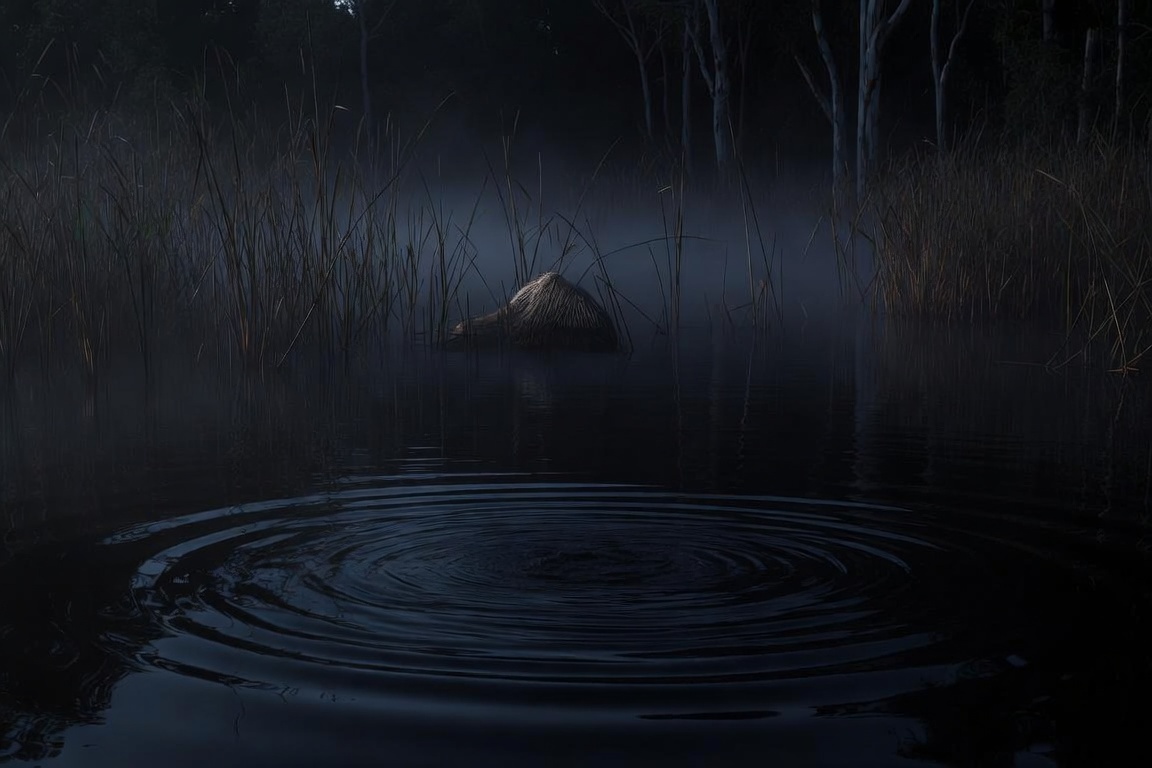
The Bunyip is one of Australia’s most famous water monsters. In many popular descriptions, it lurks in swamps, lagoons, billabongs, creeks, and riverbeds.
It is associated with dark water, strange cries, and the fear of getting too close to places where visibility ends.
The Bunyip comes from Aboriginal folklore, but like many Indigenous stories later retold through colonial writing, its descriptions became mixed, distorted, and inconsistent.
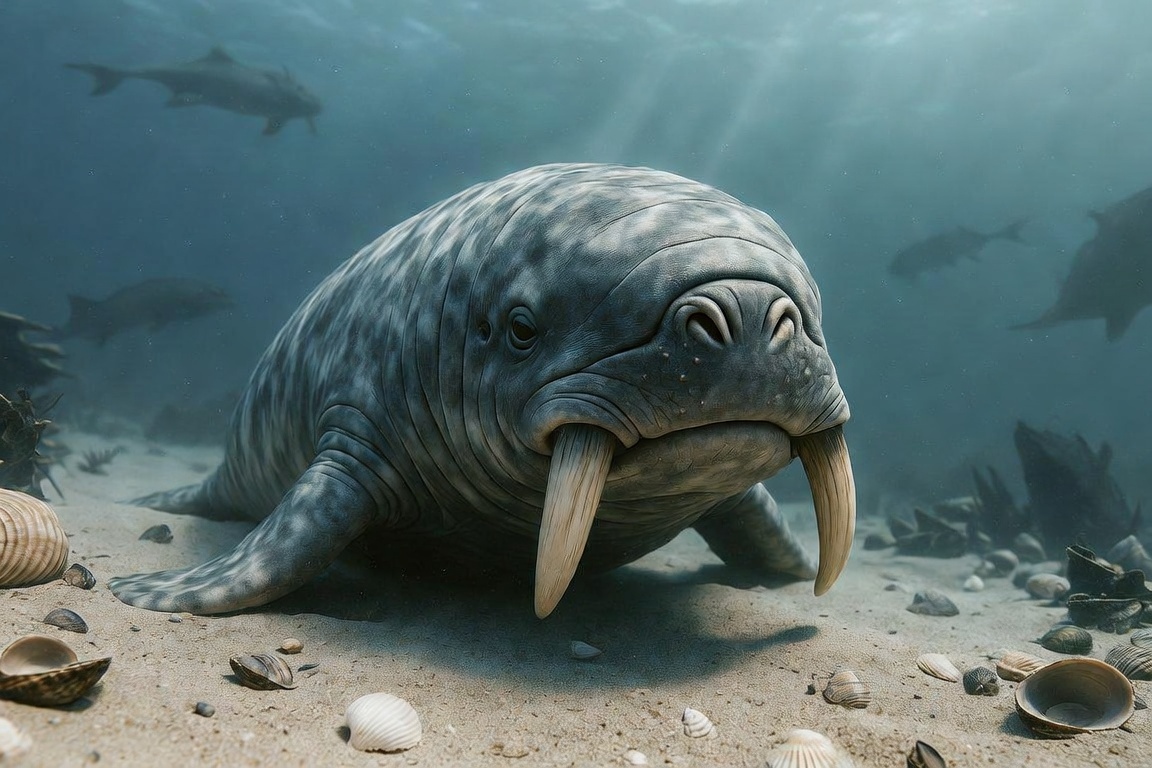
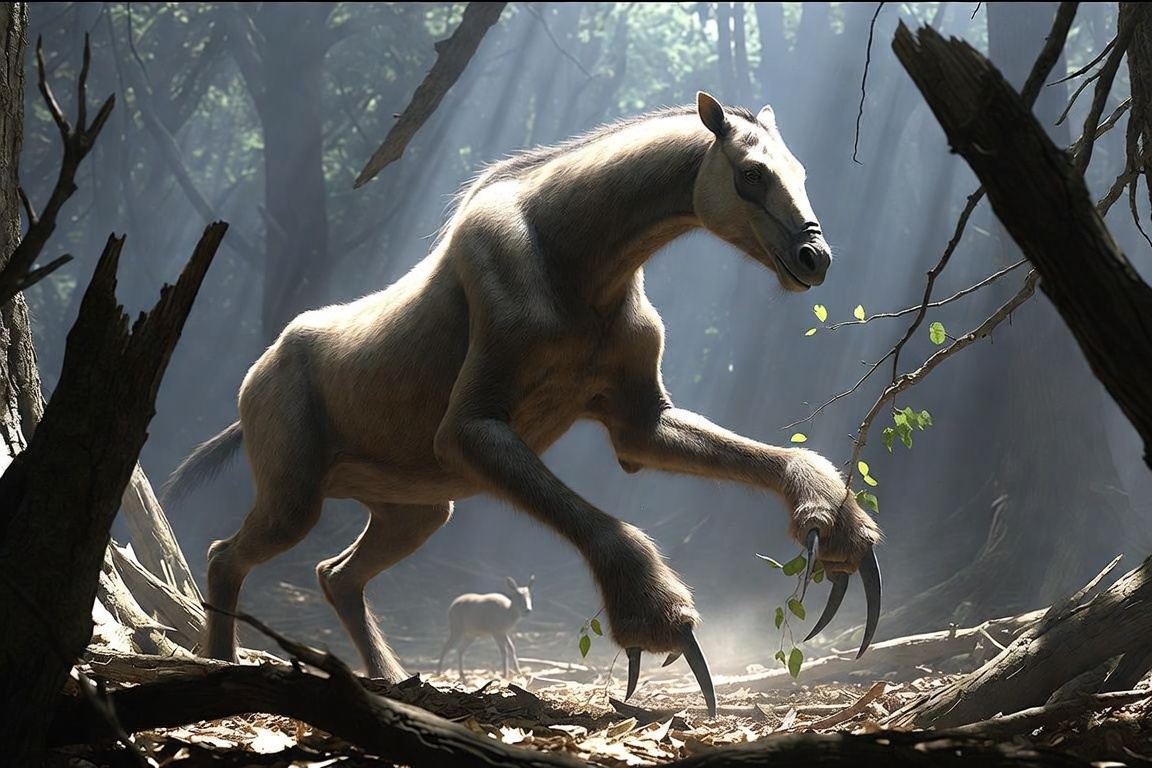
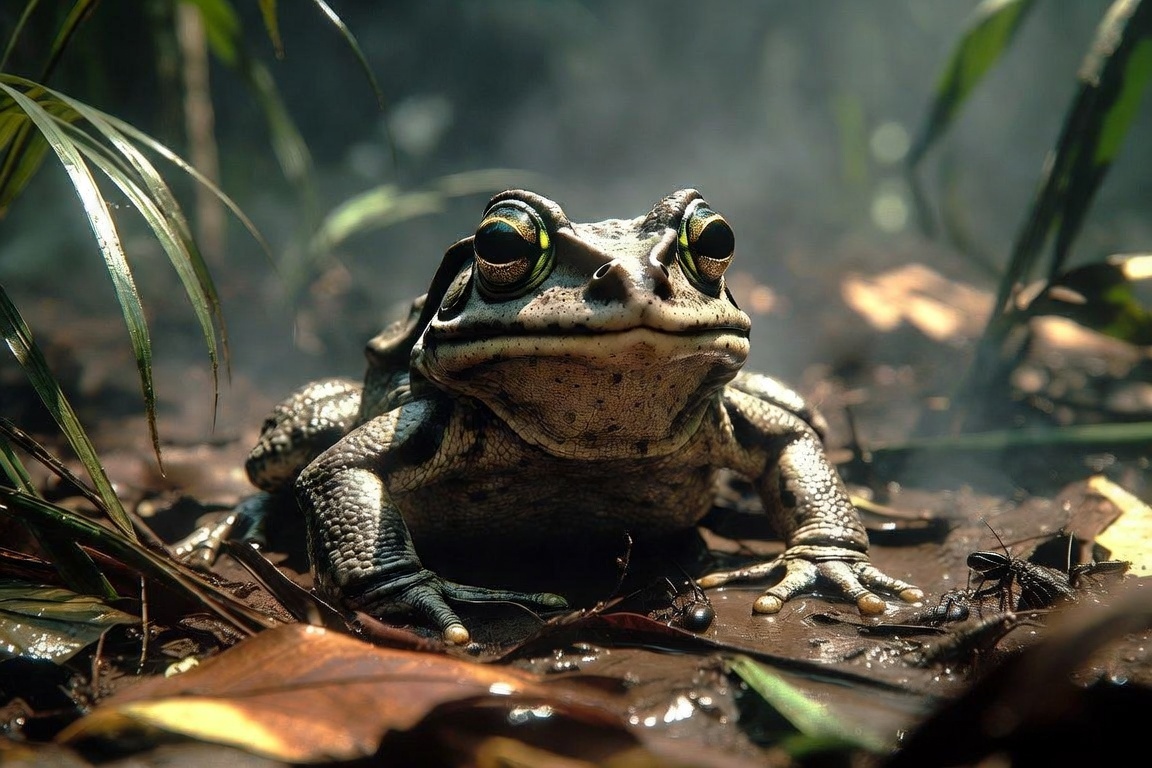
Some accounts describe a seal-like creature. Others describe:
That inconsistency is part of the story. The confirmed part is cultural: the Bunyip is a legendary creature in Australian Aboriginal folklore and later Australian colonial imagination.
The unconfirmed part is the idea that it represents a single unknown biological species still hiding in wetlands. No accepted scientific evidence confirms a Bunyip animal.
Several natural explanations may have contributed to Bunyip stories or colonial interpretations of them.
Strange wetland sounds can come from birds, frogs, mammals, wind, water movement, and nocturnal animals. A seal far inland, a large bird in reeds, or a frightened animal heard at night could become monstrous when seen poorly or not seen at all.
Some writers have also linked the Bunyip to memories of extinct Australian megafauna, such as large marsupials or other animals whose fossils may have been found and interpreted through cultural frameworks.
This idea is intriguing but difficult to prove. Oral traditions can preserve environmental knowledge, but connecting one creature directly to one fossil species requires caution.
The Bunyip is especially strong as a story because it is often auditory. Many monsters are seen first; the Bunyip is frequently heard.
A roar from reeds at night does something different to the brain. It gives no outline. It forces human imagination to build the body. That is how a sound becomes a creature.
For EdgeCase, the Bunyip should not be treated as a cheap jump-scare monster. It is better framed as a dark-water legend shaped by Indigenous tradition, colonial fear, real wetland ecology, and the human inability to tolerate unseen noise in dangerous places.
The Bunyip remains fascinating because it never had one stable form. It is less like a single animal and more like the fear of the billabong itself. A warning, a sound, a ripple, a story, and maybe a memory of animals that no longer exist.
The water stays dark, and that is why the legend survives.